

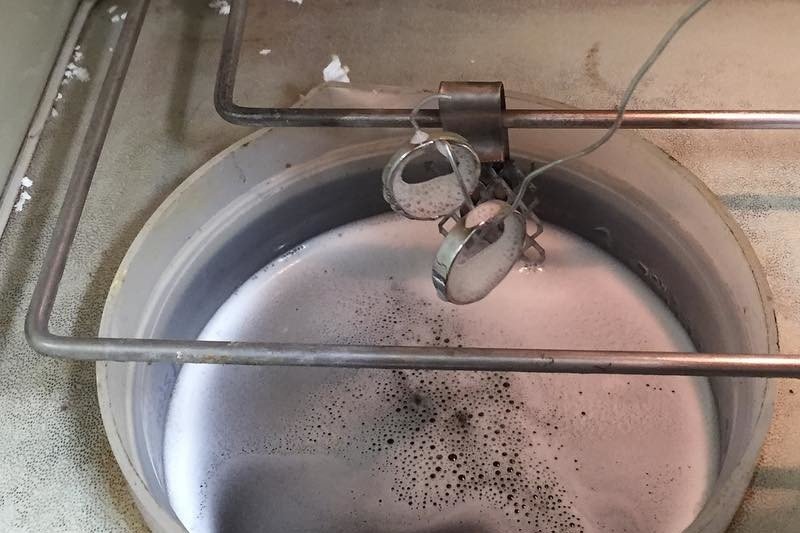
Plating has been around since the 19th century after it was discovered by an Italian inventor by the name of Luigi V. Brugnatelli. The term “plating” is short for “electroplating” and it involves covering one metal with a thin layer of another.
The item to be plated is submerged into a chemical solution containing the covering metal. Electricity is applied and Voilà! The suspended metal molecules get attached to the item submerged into the solution.
But exactly what is the point of plating and why is it used in jewellery? Some uses include reproducing expensive items from cheaper materials and altering the look of an item. Some common examples of plating include yellow gold plating and rhodium plating.
Did You Know, White Gold is Plated??
Rhodium is one of the most common plating materials and a lot of people have never heard of it. It is a rare and naturally occurring metal that belongs to the platinum family. It is extremely hard, silvery in colour, and very bright. Rhodium plating is the last step, and the key, to making white gold look good.
White gold, by nature, is not silvery in colour but rather a dull tint of yellow. White gold gets its silvery sheen from the plating of rhodium applied to it – it basically gives white gold a more defined and brighter white. The one downside is that rhodium plating wears away leading your item to start looking more yellow. White gold jewellery needs to be maintained and re-plated every so often and it is a process all jewellers should be able to do.
Conclusion
At the end of the day, plating is a thin layer of metal that will inevitably wear away. To keep plated jewellery looking its best, especially white gold, you need to implement a maintenance schedule and get it replaced every so often. Discover more about our rhodium plating service or visit us in Dublin City Centre to find out more.